
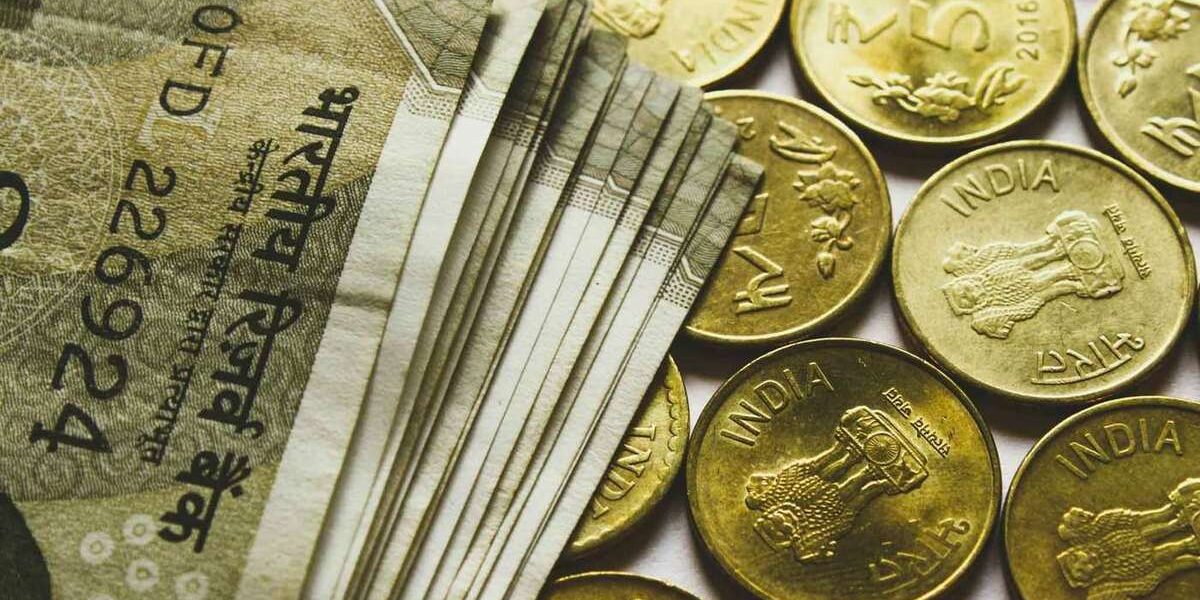
When an individual buys gold, it is traditionally seen as a safe way to preserve wealth and secure a family’s financial future. However, when millions of citizens make this choice simultaneously, it creates a massive structural challenge for the national economy. India is currently navigating an unusual situation in its gold trade. Even though the actual volume of gold imports recently dropped by about 4.76% to around 721 tonnes, the total bill paid for those imports shot up to unprecedented levels.
The principal reason for this extreme financial imbalance is due to the massive increase in the price of gold in the international marketplace; gold prices recently rose close to $100,000 per kilogram. As a result, India’s total spending on gold imports jumped by over 24% in a single year, reaching nearly $72 billion. Because India has negligible domestic gold production, it must source almost all of its bullion from international markets. Official trade data shows that Switzerland remains the largest gold supplier to India, accounting for approximately 40% of imports, followed by the UAE (16–28% share, rising after CEPA agreement) and South Africa (~10%). Consequently, even when the physical quantity of imported gold declines, the soaring global price forces the nation to send record amounts of capital abroad.
The Mechanics of Currency Stress and Reserve Depletion
To understand how reducing gold purchases helps the economy, it is necessary to examine the mechanics of international trade. Gold is a global commodity priced strictly in US Dollars. When a domestic consumer purchases gold from a local jewellery shop, the importer must ultimately exchange Indian Rupees for US Dollars to settle the transaction with overseas refineries. This continuous demand for foreign currency creates a situation where massive amounts of Rupees are sold to purchase a finite supply of Dollars. This commercial pressure weakens the domestic currency and is a primary reason why the Indian Rupee recently faced severe downward pressure, sliding past the threshold of 95 per US Dollar.
A rapidly weakening currency harms the broader economy by triggering ‘imported inflation.’ Because India imports nearly 90% of its crude oil, a weaker Rupee instantly inflates the cost of fuel, logistics, and manufacturing inputs, making everyday goods more expensive for everyone. To stabilize the currency, the Reserve Bank of India (RBI) must intervene by selling its own US Dollar reserves to buy back and support the Rupee. However, defending the currency is expensive, forex reserves dropped ~$38 billion since late February, driven by the Iran war outbreak, rising import costs (including gold), and rupee weakness, bringing the total down to around $691 billion. To control this drain on national reserves, the government raised the effective import duty on gold to 15% to intentionally cool down domestic demand.
The Balancing Act: Economic Recovery versus Industrial Health
When domestic gold consumption decreases, the macroeconomic benefits are immediate. Experts estimate a 30–40% reduction in gold imports could save $20–25 billion annually, narrowing current account deficit and supporting rupee. First, the intense demand for US Dollars drops, allowing the Rupee to find a natural equilibrium without forcing the central bank to deplete its foreign exchange reserves. Strong reserves act as a financial shield, boosting global investor confidence in the Indian economy. Second, capital is retained within the country. Instead of national savings being converted into foreign currency and exiting the borders, that money remains within the domestic banking system. Banks can then channel these funds into productive investments, such as infrastructure, technology, and manufacturing, which generate local employment and drive internal economic growth.
However, suppressing gold imports involves a highly delicate policy trade-off because a major labor-intensive industry depends on this supply. The gems and jewellery sector is a cornerstone of the Indian economy, employing millions of skilled artisans and contributing significantly to the national GDP. Crucially, this industry is also an export engine. Indian enterprises import raw bullion, add value through craftsmanship, and export the finished jewellery back to global markets, earning valuable foreign exchange in return.
The high tariffs put in place to safeguard the currency will, at the same time, increase the cost of production locally, making the Indian jewellery noncompetitive in the international market. Additionally, such high tariffs may result in trade through informal routes that are not subject to the government regulation. As a result, smuggling will become rampant, and the government will lose on taxation.
As a result of all these challenges, the economic strategy will be redirected to tapping into the estimated 24,000 tonnes of idle gold stock in India. The Gold Monetisation Scheme is one example of an initiative to ensure that the existing gold is recycled back into the market through the people depositing their gold in banks in return for interests. In this way, India will be able to support its jewellery industry and satisfy consumer needs without using up its foreign reserves or risking the Rupee.
BY ISHA V