Vibrant Demography (गतिमान जनसंख्या)
Population and Economic Development in India ‘India can reap the benefits of demographic change and achieve equitable and sustainable development…




Population and Economic Development in India ‘India can reap the benefits of demographic change and achieve equitable and sustainable development…

Employment in India is a pivotal component of its economic structure, given its vast population exceeding 1.4 billion. This demographic…

New Economic Paradigm for 2047: Deliberation Human Centric Development A new economic paradigm should prioritize human-centric development alongside economic growth…

The prevailing challenge in the world is security. No country is secured today. Every nation is redefining the meaning of…
Delibrating Bharat’s Technology Paradigm Modern India has had a strong focus on science and technology, realizing that it is a…

Bharat: A Torch Bearer at 2047 The 5000 years old value system as evolved and practiced in Bharat is more…

The concept of agriculture in Swadeshi revolves around the principles of self-reliance, sustainability, and local empowerment within the agricultural sector.…

The All India Representative Assembly (AIRA) expresses serious concern over the Indian government’s indifferent behavior towards China’s multi-dimensional threats and…

Punjab finds itself at a critical juncture, grappling with a complex array of socio-economic and political challenges that have shaped…

By Dr. Alok Singh, Recently, small and medium enterprises have received good support in the stock market. The primary market…

India is a pivotal player in global energy markets, often relying on strategic trade partnerships to fuel its growing economy.…
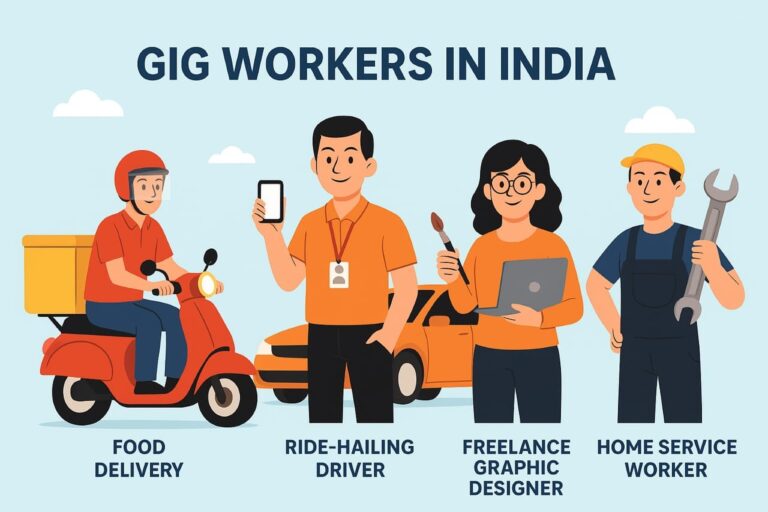
Employment of gig and platform workers has grown faster than economic growth, with elasticities exceeding those of the overall labour market in every round between…
India’s recent upgrades to its sovereign credit rating reflect rising confidence in its economic resilience. Still, the true test will be in translating international recognition…

1893 Chicago was the first voice to the world by a monk in saffron about what actually lies in the heart of Bharat. After this…
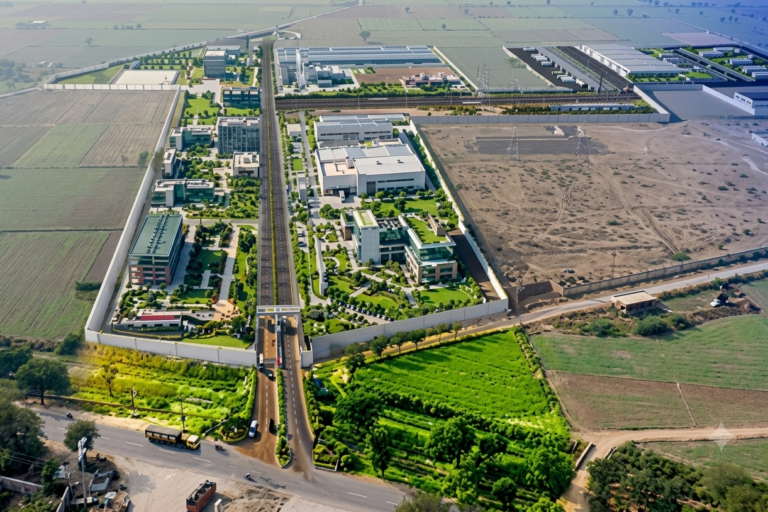
India’s Transition to an Industrial Economy in the “China+1” Era: Structural Bottlenecks, Localisation & MSME Integration By- Kartik Shyam Mogha, Research Associate & Manya…
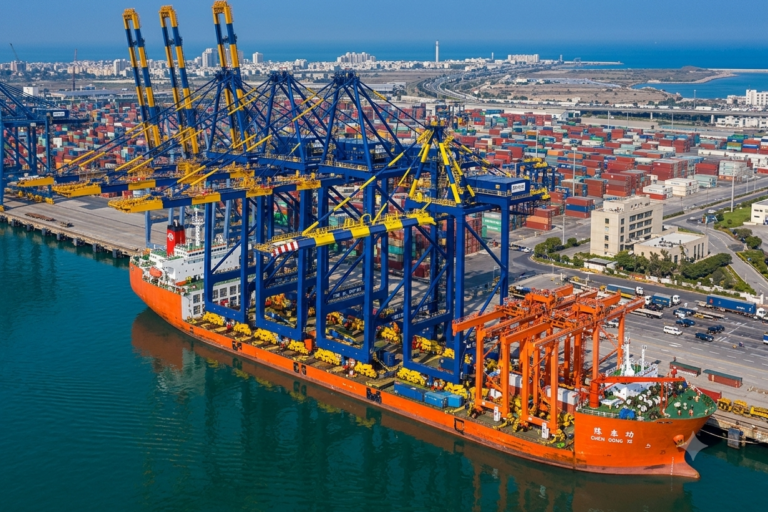
Introduction In Asian geopolitics, the growing Chinese presence in South Asian infrastructure is a defining feature of contemporary era. Dhaka’s government decision to give the…
The 18th BRICS Summit in New Delhi on September 12-13, 2026, marks an important moment in the evolution of the emerging global order. Under Bharat’s…