India-China Recent Cooperation: Strategic Implication for India

Abstract India–China relations have evolved through phases of cooperation, conflict, and cautious engagement since the establishment of diplomatic ties in 1950. Early postcolonial solidarity and the spirit of “Hindi-Chini Bhai-Bhai” gave way to strategic mistrust following the 1962 border war. This study examines recent cooperation between India and China, critically analyzing its strategic implications for…

Read more

Gamified Referral Programs: A Way for First-Time Entrepreneurs to Grow Their Businesses

Building trust, awareness, and customer loyalty is typically the hardest thing for first-time entrepreneurs to do. They don’t have legacy networks, brand recognition, or big marketing resources like established corporations do. In this context, gamified referral programs—which combine the power of word-of-mouth with the psychology of play—offer a scalable, cost-effective, and emotionally resonant growth strategy.…

Read more

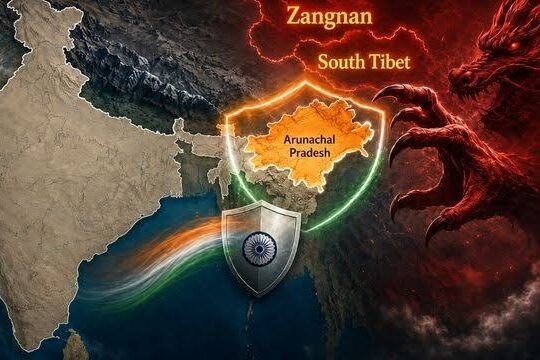
China’s Tibet Policy and Its Strategic Implications for India

Abstract China’s Tibet policy is fundamentally shaped by its commitment to sovereignty, territorial integrity, and regime security. Since the incorporation of Tibet into the People’s Republic of China in 1951 and the establishment of the Tibet Autonomous Region in 1965, Beijing has pursued a strategy combining political control, economic integration, demographic management, and military consolidation.…

Read more

Budget 2026-2027 with MSMEs

On Magha Purnima, coinciding with the birth anniversary of Guru Ravidas, Finance Minister Nirmala Sitharaman presented India’s Union Budget 2026–27, On February 1, 2026. Government marks a pivotal step toward “Viksit Bharat” by 2047, with a strong emphasis on youth empowerment, manufacturing resurgence, infrastructure modernization, and fiscal discipline in the face of global headwinds like…

Read more