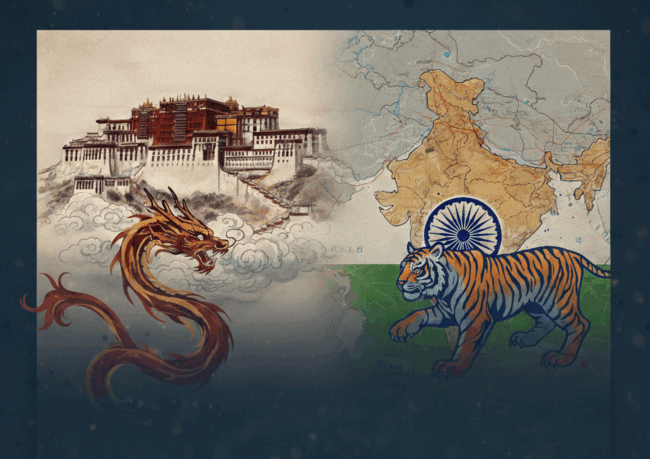
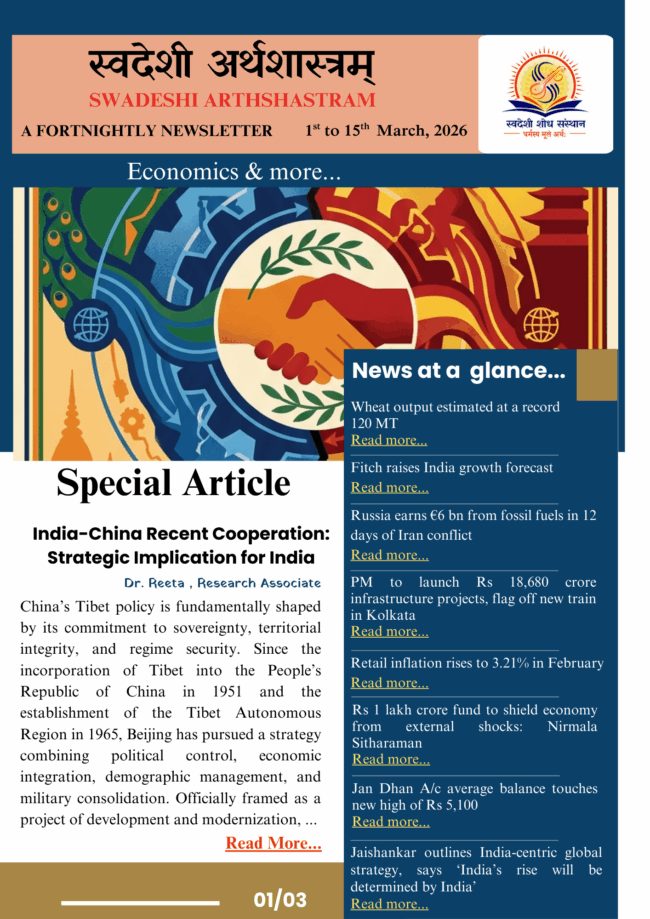

China’s Tibet Policy and Its Strategic Implications for India

Abstract China’s Tibet policy is fundamentally shaped by its commitment to sovereignty, territorial integrity, and regime security. Since the incorporation of Tibet into the People’s Republic of China in 1951 and the establishment of the Tibet Autonomous Region in 1965, Beijing has pursued a strategy combining political control, economic integration, demographic management, and military consolidation.…

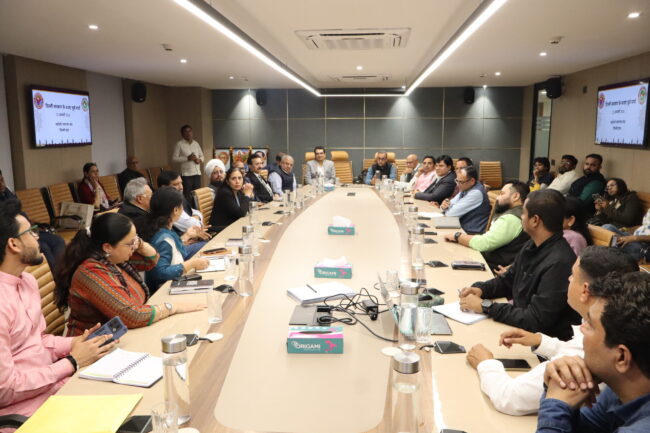
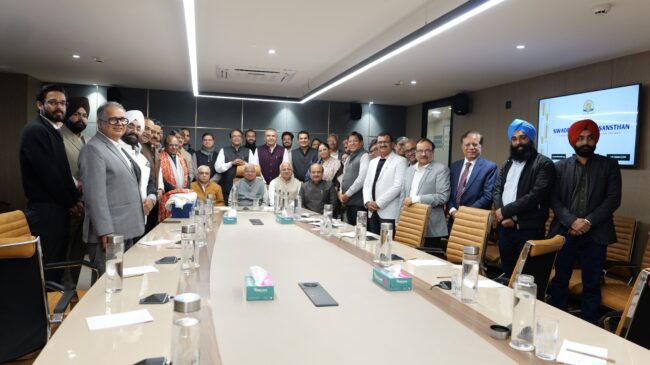
Seminar on Global Economic and Political Landscape and Emerging India: Opportunities for Indian Industries

Organized by: Bharat Global Industries Forum (BGIF) & Swadeshi Shodh Sansthan Date: 10 February 2026 | Time: 6:00 PM – 8:00 PM | Venue: Gyan Kunj, Deen Dayal Upadhyay Marg, New Delhi,110002 Special Dignitaries: Shri Kashmiri Lal Ji, Shri R Sundaram Ji, Shri Satish Kumar Ji, Prof. Somnath Sachdeva, Prof. Ashwini Mahajan, Prof. Pradeep Singh…

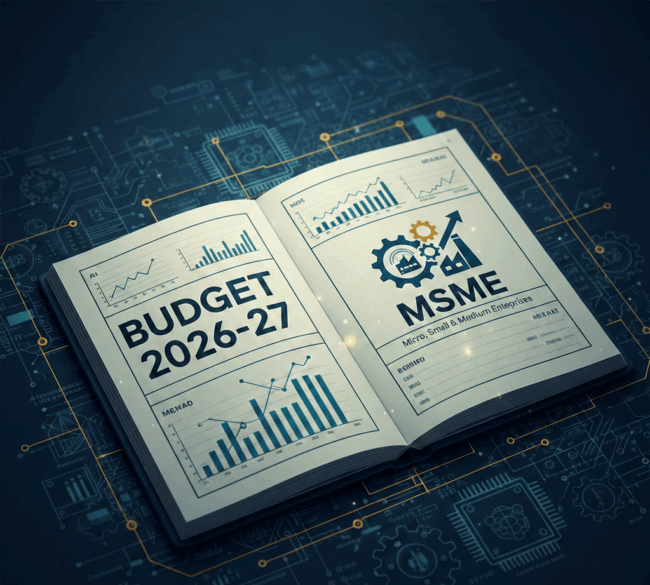
Budget 2026-2027 with MSMEs

On Magha Purnima, coinciding with the birth anniversary of Guru Ravidas, Finance Minister Nirmala Sitharaman presented India’s Union Budget 2026–27, On February 1, 2026. Government marks a pivotal step toward “Viksit Bharat” by 2047, with a strong emphasis on youth empowerment, manufacturing resurgence, infrastructure modernization, and fiscal discipline in the face of global headwinds like…

Lecture on Bharat’s BRIC’S Presidency

On the occasion of its ongoing academic outreach initiatives, Swadeshi Shodh Sansthan organised a special session under its Talk Series Vertical – Global Outlook & Bharat on 2nd February 2026 at Gyan Kunj, Pandit Deen Dayal Upadhyaya Marg, ITO, Delhi. The programme, held from 3 PM onwards, focused on contemporary global developments and India’s emerging…